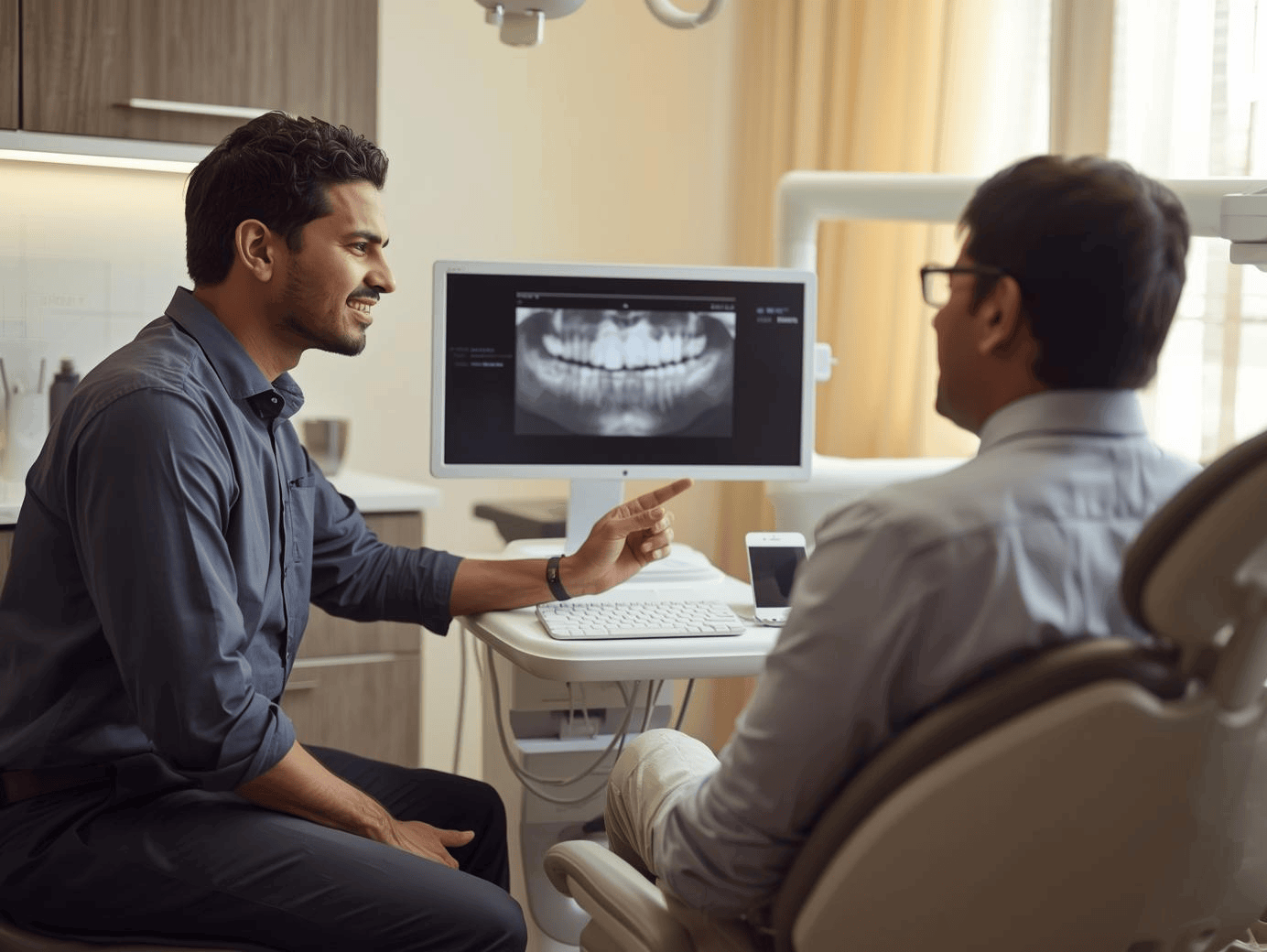
digital dental imaging

How digital dental imaging improves diagnosis, patient trust and case acceptance

Digital dental imaging is changing how dentists across India diagnose conditions, explain treatment and build patient confidence. Clear visuals help remove uncertainty, making conversations feel more open and less rushed. When patients can see what is happening in their own mouth, trust develops more naturally and treatment decisions feel easier. Combined with modern planning tools, digital dental imaging supports better outcomes while improving case acceptance in everyday clinical practice.
We think when you first step into a dental clinic and talk about diagnosis, it can feel a bit nebulous. In many practices across India, digital dental imaging is quietly reshaping that entire starting point. Not in an obvious, flashy way, but in a manner that just, well, works. There are statistics that hint at this shift too. For instance, the India dental imaging market is projected to grow at around 10 percent CAGR from 2025 to 2032, rising from a base of about USD 169.72 million in 2024 to more than USD 363.81 million by 2032, as adoption of digital imaging tools increases.

Why better imaging changes the diagnosis game

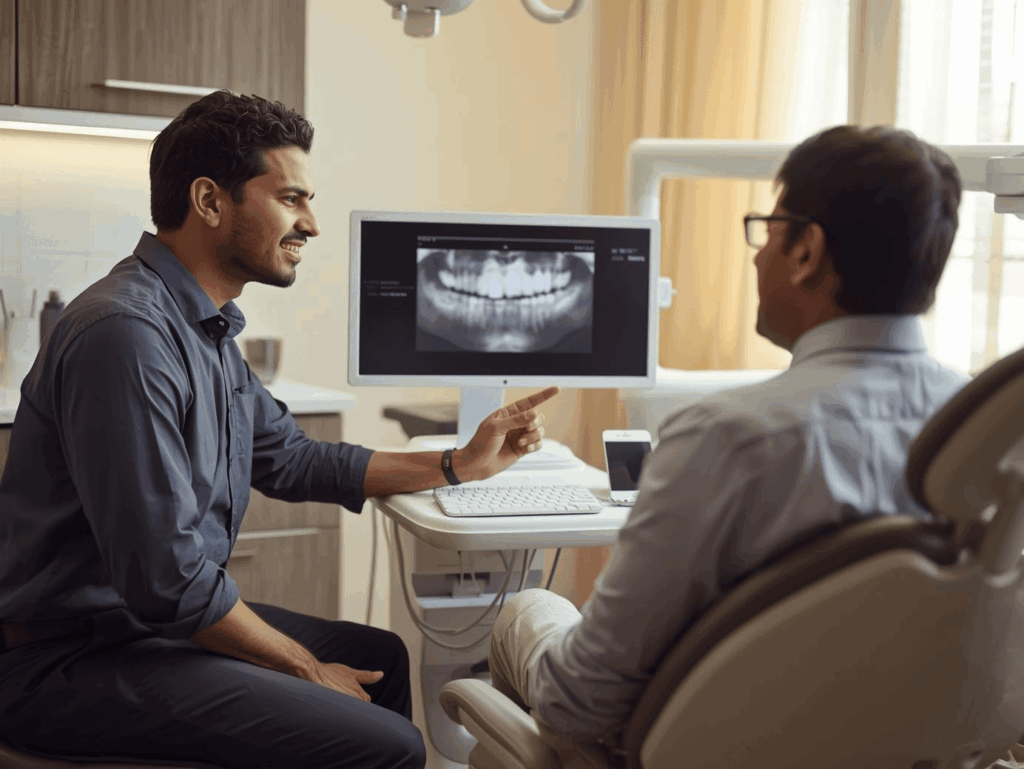
You know that moment when you show a patient a screen and they suddenly understand something they had never really seen before? That has become more common with digital imaging. It is easier to spot early caries, fractures, or bone changes. Perhaps more importantly, you can see those things in real time and discuss them. This clarity helps make diagnoses feel less like guesses, and more like considered conclusions.

Digital imaging also interacts with digital dental treatment planning in ways that matter. Rather than sketching out plans on paper or describing a sequence of steps verbally, clinicians can actually show patients how a treatment will unfold. This synergistic effect makes the plan feel less abstract. In fact, many dental software tools integrate imaging with planning modules so decisions are grounded in clear visuals.

 Building patient trust through visibility

Seeing is believing, even if part of the brain still hesitates. With digital imaging, you can zoom in, annotate and explain in layman’s terms what is going on. That alone often dissolves doubt.

And when you extend that into digital orthodontics, the story becomes even more vivid. Imagine showing a patient not just where the problem is, but how clear aligners or braces will move teeth over time. It is almost like painting a narrative rather than offering a prescription. You can almost hear the sigh of relief when a patient says, “Ah, now I get it.” That is trust forming, layer by layer.

digital dental imaging

 Patient acceptance and the flow of treatment plans

If diagnosis and trust are connected, acceptance follows naturally. After all, if a patient truly understands why a particular treatment is suggested, they are more likely to say yes. That has been our observation, and perhaps yours too. The more transparent the process feels, the less it feels like a leap into the unknown.

This is where digital dental treatment planning and imaging work hand in hand. When the treatment path is visible, it feels tangible. Patients can ask questions that are meaningful rather than vague. You can reiterate details with screenshots, and even simulate outcomes. All of that, in our view, shortens the long pause before a decision is made.

Reflections on adoption in India

India’s dental market as a whole is sizeable and growing. The broader dental services market is expected to expand from roughly USD 31.52 billion in 2025 to USD 58.72 billion by 2035 at a CAGR of 6.4 percent. That’s big, and it suggests not just volume, but opportunity for technology to step in and refine how care is delivered.

Still, it is worth saying out loud: digital adoption does not happen overnight. Clinics need training. Systems take time to integrate. Sometimes a practice invests in tech and finds it sits idle for months because staff are still comfortable with old routines. Yet, when those routines finally shift, even a bit, the patient experience shifts too. And that, ultimately, feels worth it.

FAQ’s

What is digital dental imaging used for?

Digital dental imaging is used to capture detailed images of teeth, gums and bone structures for diagnosis, planning and monitoring of dental care.

Does digital dental imaging help with patient trust?

Yes, when patients can see clear images of their conditions and understand them, they often feel more confident in the diagnosis and proposed treatments.

How does digital dental imaging relate to treatment planning?

It provides the visual foundation for accurate digital dental treatment planning, allowing dentists to plan procedures with precision and communicate that plan to patients effectively.

Can digital dental imaging support orthodontic care?

Absolutely. In digital orthodontics, imaging helps visualise tooth positions and plan movements over time, which makes long term treatments feel more predictable to patients.